Stimulus
Low-oxygen phase: the cell gets a clear task to handle.
Intermittent Hypoxic–Hyperoxic Training
Your knowledge portal for IHHT and cellular health: clearly explained, grounded in personal experience and supported by Dr Arkadi Prokopov.
ZELLGIPFEL brings together what is known about IHHT and makes clear which questions are still open. We do not provide treatments ourselves. We maintain close contacts with several manufacturers, follow the growing market for home and clinical devices, and work with doctors who offer IHHT.
85%
typical saturation during the altitude phase

How it works
20–40 minutes lying down, no effort required
Imagine being at 4,000 metres. Without leaving your seat.

Your cells contain mitochondria — tiny power plants involved in supplying energy. Researchers have been studying how well they work for decades.
IHHT works with a simple trick: it alternates the oxygen level in the air you breathe. During the altitude phase you get less oxygen (about 9–17%), and during the recovery phase more than usual (up to about 36%). This controlled shift is a stimulus — and your body can adapt to the stimulus. Just like altitude training, but without a mountain and without effort.
Low-oxygen phase: the cell gets a clear task to handle.
Oxygen-rich phase: the cell gets what it needs to adapt.
With repeated exposure, the body may adapt to the stimulus.
Why do cells respond to thin air at all? This question has occupied researchers for a long time. The basic research into how cells sense oxygen (the HIF pathway) received the 2019 Nobel Prize in Medicine (Kaelin, Ratcliffe, Semenza). IHHT is an application built on those principles.
Five steps. That's really it.
This is how an IHHT session typically works: general information, not a session offered by ZELLGIPFEL. A medical examination and advice should come first.

Put on the mask, get comfortable lying down or sitting.
Switch on the device.
Select the programme you want.
Press start, breathe through your nose, and relax.
Take off the mask and drink enough water.
Read more on this:IHHT in everyday life: how it runs, safety and expectations
Six programme types to explore.
Six programme types commonly found on IHHT devices. These descriptions provide an overview, not a recommendation. Programme choice and frequency require medical assessment. Personal accounts cannot be generalised to other people.
swipe sideways for all six programmes
The gentlest programme
For everyday balance
For quiet evenings
A training-focused programme
A short programme between tasks
The most intense programme
Sample week
These examples are for information, not a personal training plan. Programme selection and frequency require prior medical assessment.
An example with clear rest days. · A calm start with clear rest days.
Monday
Metabolism
A training-focused programme
What people tell us most often.
Personal accounts, not promised outcomes. These experiences cannot be generalised to other people.
Some people report that their afternoons feel different.
Some people report falling asleep more easily or sleeping more peacefully.
Some people describe finding it easier to unwind after demanding days.
Some people describe a quiet pause after exertion, travel or demanding weeks.
Why ZELLGIPFEL exists
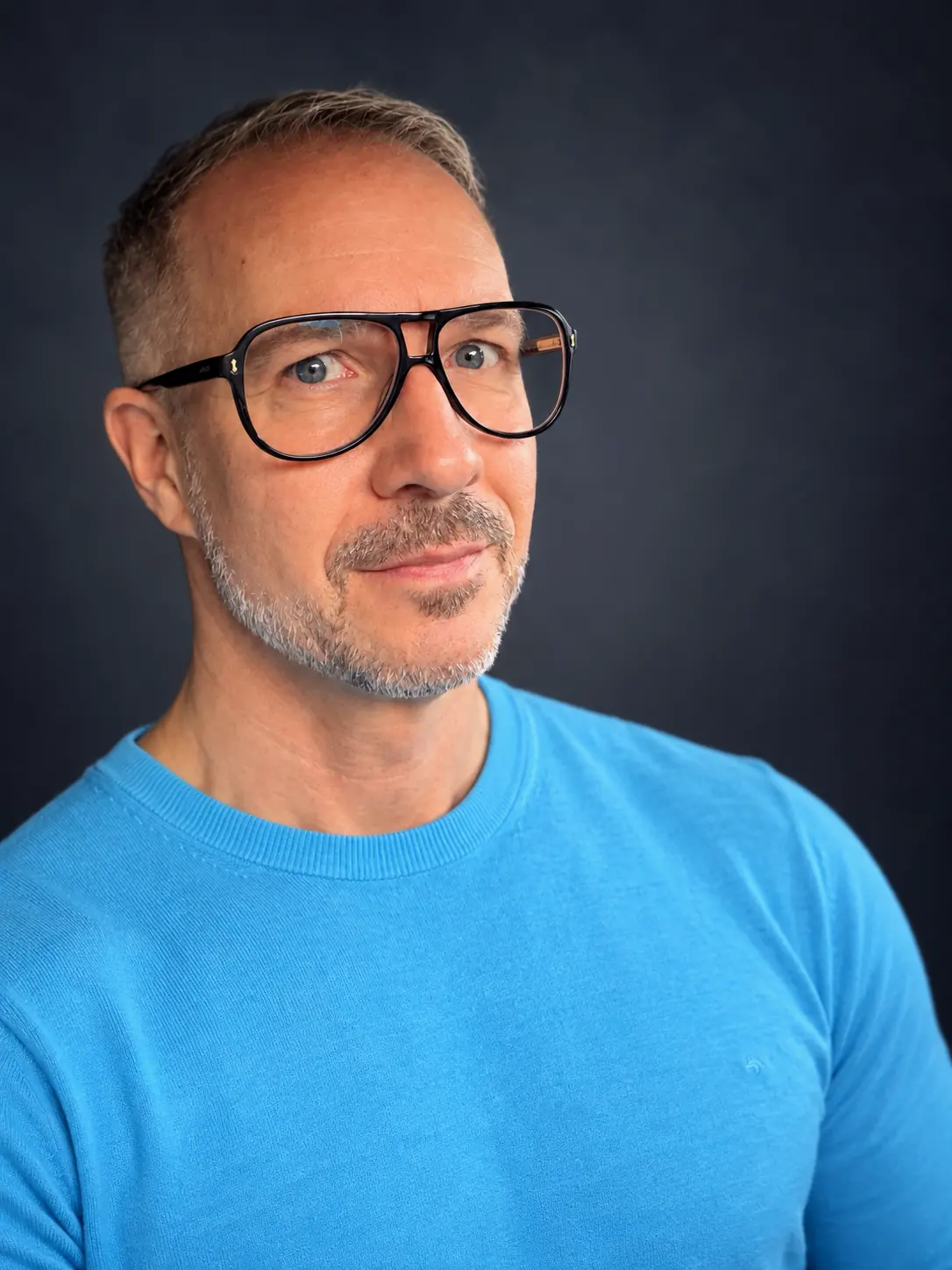
Over ten years ago, I moved to Mallorca. Sunshine, the sea, a new life — that was the plan. The reality was different: I was exhausted, physically and mentally. I was just going through the motions. For a long time, I thought I simply needed to pull myself together.
Eventually, I realised I couldn't keep asking more of myself. I needed to take better care of myself instead. It was during this time that I discovered IHHT. What began as an experiment became a lasting part of my journey. And I started asking questions: What happens inside the cell? What does the evidence support, and what doesn't it?
ZELLGIPFEL grew out of those questions. Here, I share what I've experienced and learned, not to sell anything. My mentor, Dr. Arkadi Prokopov, provides expert guidance; together, we bring over 25 years of experience with IHHT. We do not carry out treatments ourselves. Medical assessment is the responsibility of doctors.
I don't promise miracles. Everyone is different, and my experience cannot be assumed to apply to anyone else.
Knowledge
Three articles that answer the most common questions calmly — with sources and without promises.
Mitochondria are key to efficient fat metabolism. Discover how steady Zone 2 training strengthens cellular powerhouses and supports sustainable aerobic performance.
Running often places heavy stress on knees and joints. Gentle sports such as cycling, swimming, and rowing offer effective ways to build cardiovascular endurance.
Learn how to combine interval hypoxia training (IHHT) and intermittent fasting, and discover the possible role timing plays in cellular adaptation.
What people want to know before their first session.
Short, honest, and without promises we can't keep.
Yes. Plenty of people do. It's absolutely fine.
Some users describe early changes, such as feeling calmer; others notice none at all. These are personal experiences that cannot be transferred to others, and no particular result has been established.
Depending on the programme, two to five sessions a week — recovery programmes can be used more often.
No. IHHT works independently of exercise, and it's designed precisely for people who currently don't have the energy for training.
No. You lie or sit down and breathe. That's the whole thing.
We work with doctors who carry out examinations before IHHT and provide medical advice. Our individual IHHT consultation does not replace a medical assessment.
Read more on this:IHHT, sleep and recovery: where to actually start
Question not covered?
Ask us directlyFree first consultation
Free, no obligation, no sales pressure. You'll get an honest assessment — nothing more.